Highams Park Gardeners Local Guide to Highams Park Lake
If you live, work, or garden near the lake, a Highams Park gardeners local guide to Highams Park Lake is more useful than a generic gardening article ever could be. The lakeside setting changes the way plants behave, the way paths wear down, and even the way you plan hedge height or lawn care. On a damp morning, you can feel it straight away: softer air, heavier soil, a little more shade, and a lot more pressure on borders that sit close to water and foot traffic.
This guide is built for real-world use. It explains what makes the area different, how gardeners think through lake-adjacent work, where the practical risks are, and which maintenance choices tend to last. You will also find a simple step-by-step process, a checklist, and some local service links that can help if you want a hand with the heavy lifting. Let's face it, some jobs are satisfying right up until they are not.
Table of Contents
- Why Highams Park gardeners local guide to Highams Park Lake Matters
- How Highams Park gardeners local guide to Highams Park Lake Works
- Key Benefits and Practical Advantages
- Who This Is For and When It Makes Sense
- Step-by-Step Guidance
- Expert Tips for Better Results
- Common Mistakes to Avoid
- Tools, Resources and Recommendations
- Law, Compliance, Standards, or Best Practice
- Options, Methods, or Comparison Table
- Case Study or Real-World Example
- Practical Checklist
- Conclusion
- Frequently Asked Questions
Why Highams Park gardeners local guide to Highams Park Lake Matters
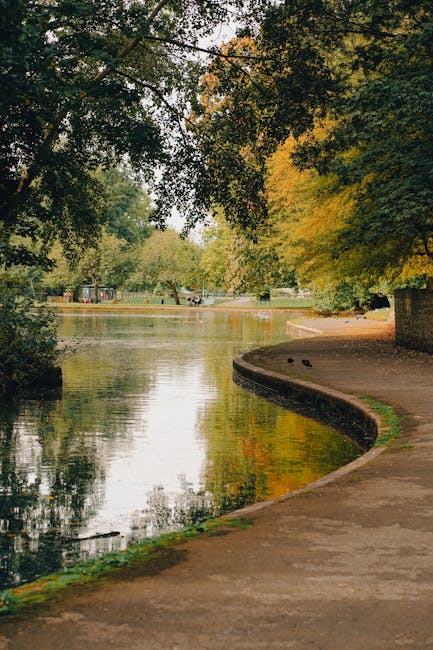
Highams Park Lake is not just a pleasant local landmark. For gardeners, it is part of the living environment. The lake influences nearby planting conditions, soil moisture, wind exposure, and the overall feel of the surrounding streets and gardens. That matters because a hedge that thrives one road away may struggle here, or a lawn that looks tidy in spring may become patchy if the ground stays wet for too long.
In practice, local gardening near the lake often means making slightly smarter choices, not bigger ones. You might favour plants that tolerate occasional dampness, shelter from breezes, or partial shade. You may also need to think about the practical side of garden upkeep: cleaning muddy edges, keeping access paths safe, and managing visibility without creating a heavy, overworked look. A garden near water should feel calm, not fussy.
The other reason this matters is local consistency. Gardens around the lake tend to share similar pressures, so the advice that works here is often more reliable than broad national guidance. If your border repeatedly struggles, the issue may not be that you are "bad with plants." It may simply be that the site asks for a different strategy. That is a very different thing.
How Highams Park gardeners local guide to Highams Park Lake Works
The best approach starts with observation. Before choosing plants or booking work, a gardener looks at how the garden behaves over a day, a week, and a season. Near Highams Park Lake, the key questions are simple but revealing:
- Does the garden get morning sun, late sun, or mostly shade?
- Do paths and borders stay wet after rain?
- Is the site open to wind off the lake?
- Do pets, children, or frequent visitors use the space?
- Is the priority privacy, easy maintenance, or a more decorative finish?
From there, local gardening work usually follows a practical sequence: assess, tidy, improve structure, then plant or maintain. That might mean levelling compacted soil, improving drainage in a saturated corner, refreshing mulch, trimming hedges for shape, or selecting ground cover that copes with shade and footfall. A good gardener will not just "fill gaps." They will work with the site.
If the garden needs wider improvement, services such as regular garden maintenance, lawn care, or even landscaping can make a noticeable difference. The point is to create a stable base first. Fancy planting on unstable ground is a bit like painting a wall that is still damp. Looks nice for a week, then trouble.
Key Benefits and Practical Advantages
A local guide like this gives you more than plant ideas. It helps you make decisions that save time and reduce rework. That is where the value really is.
1. Better plant survival
When plants match the lake-side environment, they establish faster and need less rescue work later. That means fewer replacements, fewer gaps, and less disappointment.
2. Smarter use of shade and moisture
Many gardens near the lake have pockets of shade or lingering damp. Instead of fighting those conditions, a good planting plan uses them. Ground covers, ferns, and selected evergreens can turn difficult corners into useful features.
3. Cleaner edges and safer access
Muddy margins, overgrown borders, and slippery surfaces are not just untidy. They can be awkward to walk around, especially after rain. Good upkeep keeps the space pleasant and practical.
4. More privacy without blocking the view completely
Lake-side gardens often benefit from layered planting or shaped hedging rather than tall, blunt screening. The aim is privacy with softness. If that sounds like a contradiction, it is not. It just takes a bit of planning.
5. Stronger year-round appeal
Because the setting changes with the seasons, the garden should too. Winter structure, spring freshness, summer colour, and autumn texture all matter here. For planting ideas that support those layers, see these ground cover plant ideas and fast-growing hedge options.
| Garden Need | Lake-Side Challenge | Practical Response |
|---|---|---|
| Border planting | Damp soil, partial shade | Use moisture-tolerant, shade-friendly plants |
| Lawn areas | Compaction and patchiness | Improve drainage, aerate, overseed, and maintain regularly |
| Privacy screening | Open sightlines and wind exposure | Layer hedging and structural planting |
| Paths and patios | Algae, moss, muddy residue | Schedule periodic cleaning and edge control |
Who This Is For and When It Makes Sense
This guide is useful for a few very different people, and that is one reason it works so well.
- Homeowners near the lake who want a healthier, tidier, more resilient garden.
- Landlords and property managers who need upkeep that looks good without becoming a full-time project.
- Families looking for safer paths, usable lawns, and planting that stands up to daily life.
- Pet owners who need sensible plant selection and robust borders.
- Anyone planning a redesign and trying to avoid common site-specific mistakes.
It also makes sense if you are already seeing warning signs: wet patches that never seem to dry, tired hedges, moss creeping across hard surfaces, or a border that looks promising in May and miserable by August. That is exactly the point where local knowledge pays off.
For some households, the right next step is simply a clearer plan and a few stronger materials. For others, it is getting support with hedge shaping, tree work, or safer access. If you suspect overgrowth is part of the problem, hedge trimming in Highams Park is often a sensible starting point.
Step-by-Step Guidance
Here is a practical way to approach gardening near Highams Park Lake without making it feel like a giant project.
- Walk the space properly
Do one slow circuit of the garden after rain and again in dry weather. Notice where water sits, where wind cuts through, and which areas feel neglected. You will spot patterns quickly. - Map the light
Make a rough note of sun and shade. A border that gets bright morning light is a very different proposal from one hidden behind mature trees. - Assess the soil
Heavy, compacted, or very dry soil all need different fixes. Near the lake, compacted damp soil is common enough to deserve attention. - Clear the obvious problems
Remove dead growth, cut back broken stems, lift debris from paths, and deal with weeds before they spread. The site will immediately feel more workable. - Decide on structure first
Think hedges, edges, screening, and path lines before choosing decorative plants. Structure is the skeleton of the garden; the flowers are the clothing. - Choose plants for the site, not the catalogue
Ground cover for shade, wind-tolerant shrubs, and plants that cope with damp or variable moisture are usually safer bets. For shade-led spaces, evergreen climbers for shade havens can be useful inspiration. - Set a maintenance rhythm
Little and often beats occasional heroic effort. A monthly tidy, seasonal pruning, and regular lawn attention usually keep things under control. - Review after the first season
Do not judge the design too early. Some plants need a full season to settle. Watch what thrives and what sulks. The garden will tell you, honestly enough.
If the job includes outdoor surfaces as well, it is worth pairing planting work with patio cleaning or broader gardening services so the whole space feels coordinated.
Expert Tips for Better Results
These are the kinds of small decisions that tend to separate a decent garden from one that still looks good in November.
- Use layers, not single rows. A mix of low, medium, and taller planting creates better shelter and looks more natural near open water.
- Keep hedging disciplined. Overgrown hedges can swallow light and make a garden feel smaller than it is. Shape matters more than many people think.
- Prioritise root health. Healthy roots are more useful than flashy foliage. Mulch, drainage, and soil structure do quiet work in the background.
- Choose tougher materials for paths and edges. If a route gets muddy or slippery, the fix is often in the hard landscaping, not in more plants.
- Think about wildlife carefully. Lake-edge gardens can attract birds and pollinators, which is lovely, but it means you want balanced planting rather than aggressive chemical-heavy routines.
- Prepare for weather swings. Wind, sudden rain, and winter cold all show up in London gardens. A little seasonal prep goes a long way. For winter protection ideas, see protecting greenery from winter damage.
A small aside: the best gardens rarely look like they were rushed. Even when they are, which happens to the rest of us now and then. If a corner feels unfinished, resist the urge to cram it with whatever was on sale. That is usually how future problems begin.
Common Mistakes to Avoid
Many garden issues near the lake come from good intentions applied in the wrong order.
- Choosing plants that hate damp soil and then wondering why they keep failing.
- Ignoring drainage because the area looks fine for two sunny weeks in May.
- Letting hedges get too tall too quickly, which can block light and create avoidable maintenance costs.
- Overusing high-maintenance ornamentals where sturdy, low-maintenance planting would work better.
- Forgetting the path edges and access points, especially where leaf litter and moisture build up.
- Starting with aesthetics before structure. The garden may look lovely on day one and then feel awkward six months later.
Another common mistake is assuming all local gardens need the same fix. They do not. A south-facing plot with a dry corner needs very different choices from a shaded, enclosed garden close to the water. That sounds obvious, but it gets missed constantly.
Tools, Resources and Recommendations
You do not need a van full of equipment to manage a garden well. But a few reliable tools make life much easier.
- Sharp secateurs and loppers for clean pruning cuts.
- A sturdy rake for leaves, debris, and surface tidying.
- Hand fork and border spade for soil work and planting.
- Long-handled shears for safe hedge shaping.
- Gloves, eye protection, and sensible footwear, especially on damp ground.
- Wheelbarrow or garden trug to cut down on repeated lifting.
For practical knowledge, a few pages are especially helpful: essential tools for plant lovers, weed control strategies, and turning scraps into soil gold if you want to improve composting and soil quality. For lower-effort garden ideas, simple low-maintenance garden solutions is a useful starting point.
If you are planning a bigger refresh, it can help to explore pricing and quotes before committing. A clear quotation is much easier to compare than vague promises. And yes, that matters.
Law, Compliance, Standards, or Best Practice
Gardening around a local landmark like Highams Park Lake is not usually about complex regulation, but a few best-practice points still matter.
Safety first. Any work involving ladders, chainsaws, heavy pruning, or awkward lifting should be handled carefully and in line with sensible risk management. If you are using a professional, look for clear attention to health and safety policy and make sure you understand how the job will be carried out. That is not being fussy. That is being sensible.
Insurance and accountability. Garden work can involve trips, slips, damaged fencing, and occasional tool-related mishaps. It is wise to use a service that takes insurance seriously and communicates clearly. You can review insurance and safety information and, if needed, the terms and conditions before booking.
Neighbourly practice. If hedge work, tree work, or hard landscaping affects shared boundaries, be courteous and clear. London gardens often sit close together. A quick conversation can prevent an awkward weekend later.
Privacy and access. If your garden lines a path or faces open views by the lake, you may want screening that balances privacy and openness. That is where thoughtfully chosen hedges and shape control help. For more on this, see sophisticated hedge shapes.
Options, Methods, or Comparison Table
Not every garden near the lake needs the same approach. Here is a simple comparison to help you choose.
| Approach | Best For | Pros | Trade-Offs |
|---|---|---|---|
| Light-touch maintenance | Mostly healthy gardens needing routine upkeep | Cost-effective, tidy, easy to sustain | Won't solve deeper soil or layout issues |
| Planting refresh | Borders that look tired or mismatched | Improves visual appeal and resilience | Needs the right plant selection and aftercare |
| Hedge and screening work | Gardens needing privacy or shape control | Strong structural impact, clearer boundaries | Requires regular trimming |
| Full landscaping | Problem gardens or major redesigns | Most comprehensive fix | More planning, more time, more budget |
If you are not sure which route fits, a brief conversation with a local team can be enough to clarify things. A short site visit can reveal more than ten guesses from a phone call, to be fair.
Case Study or Real-World Example
Here is a realistic example based on the kind of garden problems that come up around the lake.
A small family garden had a lawn that stayed soggy at the far end, a hedge that had been left too wide, and a back border that never quite filled in. The owners wanted privacy from neighbouring windows, but they also liked the open, leafy feel of the area and did not want the garden to become boxed in.
The solution was fairly straightforward. The lawn was aerated and overseeded, the worst compacted area was improved with better soil prep, and the hedge was reshaped rather than removed. The border was replanted with sturdier, shade-tolerant plants and a few lower-maintenance ground cover choices. A small seating spot was also cleared so the family could actually use the space instead of just looking at it through the kitchen window.
It was not a dramatic makeover. No before-and-after fairy tale, no magic wand. But the garden became drier, easier to manage, and much more pleasant to sit in. That is usually the real win. A space you can enjoy without negotiating with it every weekend.
If a similar improvement sounds familiar, services such as lawn mowing, lawn care, and tree surgery may be part of the answer, depending on what is actually going on in the garden.
Practical Checklist
Use this quick checklist before starting work near Highams Park Lake.
- Check where the garden gets sun, shade, and wind.
- Look for standing water, soggy edges, or compacted soil.
- Identify overgrown hedges, awkward access points, and tired planting.
- Choose plants that suit the conditions, not just the look.
- Decide whether privacy or openness matters more in each area.
- Make sure paths and patios are safe and clean.
- Plan pruning and maintenance seasonally, not only when things get messy.
- Review insurance, safety, and terms before hiring help.
- Ask for a clear quote if the work involves multiple garden areas.
- Keep one simple note of what worked this season and what did not.
If you want a more family-friendly or pet-aware space, the right planting mix matters a lot. You might also find garden ideas for young explorers and plant selection for canine-friendly gardens helpful when planning around daily life.
Conclusion
A good Highams Park gardeners local guide to Highams Park Lake is really about working with the site, not against it. The lake gives the area character, but it also brings moisture, shade, wind, and maintenance patterns that are worth respecting. Once you understand those conditions, gardening gets easier. Not effortless, but easier. And that is usually enough to make the garden feel like yours again.
Start with observation, build structure, choose plants wisely, and keep a steady maintenance rhythm. If you do that, the space near the lake can be one of the most rewarding parts of your home: calm in summer, tidy in winter, and useful all year round. A garden should give something back, after all.
For help with planning, upkeep, or a broader refresh, you can explore the site's service pages and support information, or simply get in touch when you are ready.
Get a free quote today and see how much you can save.
Sometimes the best garden improvement is the one that quietly makes everyday life feel lighter.
Frequently Asked Questions
What makes gardening near Highams Park Lake different?
The main differences are usually moisture, shade variation, wind exposure, and the general wear that comes from being close to a busy local green space. Those conditions affect plant choice, soil health, and how often you need to maintain edges and paths.
Which plants usually work better near the lake?
Plants that tolerate damp soil, partial shade, and periodic wind tend to perform better. Ground cover, robust shrubs, and some evergreen structure plants are often safer than delicate, dry-border specimens.
Do I need a local gardener for a lake-side garden?
You do not have to use a local gardener, but local experience is useful. A gardener who understands the area will usually make better decisions about soil, hedging, drainage, and maintenance timing.
How often should a garden near the lake be maintained?
That depends on the size and condition of the garden, but a regular rhythm is better than occasional big clear-outs. Many gardens benefit from monthly attention and seasonal pruning or mowing adjustments.
Is lawn care harder near damp areas?
It can be. Damp lawns are more prone to compaction, moss, and patchiness. Aeration, overseeding, mowing correctly, and not cutting too short all help keep the turf in better shape.
What should I do if my hedge is blocking light?
Reshape it rather than letting it run wild. A properly managed hedge gives privacy without swallowing the garden. If needed, professional hedge trimming can restore balance and let more light in.
Can a small garden still look good near Highams Park Lake?
Absolutely. Small gardens often benefit most from smart structure, low-maintenance planting, and careful use of vertical layers. You do not need a lot of space to make a garden feel calm and well planned.
How do I deal with slippery paths or patios?
Start by removing leaf litter, algae, and built-up dirt. If the surface keeps becoming slippery, the material, drainage, or surrounding planting may need a more serious look. Regular cleaning is usually part of the answer.
Are pet-friendly gardens possible near the lake?
Yes, and they are often very practical. The key is to choose non-fussy, durable plants and avoid anything that becomes brittle, toxic, or easily damaged by play. Pet use should shape the design from the start.
What is the biggest mistake people make in local gardens?
The biggest mistake is usually ignoring the conditions and planting for appearance alone. A beautiful plant that hates wet soil or deep shade is a short-term win and a long-term problem.
Should I get a quote before starting bigger garden work?
Yes. If the job involves maintenance, trimming, patio cleaning, fencing, landscaping, or tree work, a clear quote helps you understand scope and compare options properly. It saves confusion later.
Where should I start if my garden feels overwhelmed?
Start with the basics: clear debris, cut back overgrowth, check the soil, and sort the worst problem area first. Once one part feels under control, the rest becomes much easier to judge.