Affordable gardeners in E4: how much garden maintenance costs
If you have been wondering how much garden maintenance costs in E4, you are not alone. Most people want a tidy, healthy garden without paying more than they need to, and honestly, that is a fair ask. The tricky bit is that "affordable" can mean very different things depending on the size of your garden, how much work it needs, and whether you want a one-off tidy-up or regular help throughout the year. In this guide, we'll break down the usual cost drivers, what you should expect from affordable gardeners in E4, and how to make a sensible decision without getting caught out by vague quotes or hidden extras.
You'll also see where specific services like lawn mowing, hedge trimming, patio cleaning, and ongoing garden maintenance fit into the picture. If you want to compare service options while you read, the pricing and quotes page is a useful place to start, and the garden maintenance service gives a clear idea of the kind of work covered.
Table of Contents
- Why affordable garden maintenance in E4 matters
- How garden maintenance pricing usually works
- Key benefits and practical advantages
- Who this is for and when it makes sense
- Step-by-step guidance
- Expert tips for better results
- Common mistakes to avoid
- Tools, resources and recommendations
- Law, compliance, standards and best practice
- Options, methods and comparison table
- Case study or real-world example
- Practical checklist
- Conclusion
- Frequently asked questions
Why affordable garden maintenance in E4 matters
Garden maintenance is one of those jobs that looks simple from the outside and quietly becomes a big task once grass starts surging, hedges lose their shape, and weeds decide to act like they own the place. In E4, many gardens are compact but busy: front gardens, back gardens, narrow side return spaces, patios, and a few awkward corners that collect leaves and moss. That means maintenance needs can be modest one month and suddenly a bit more involved the next.
Pricing matters because most people are trying to balance three things at once: cost, convenience, and visible results. If you only need the occasional mow, you may want a straightforward visit. If the garden has been left for a while, the first clean-up is often more intensive than the follow-up work. That is normal. A good gardener should explain that clearly, not act as if every lawn and border is identical.
There is also a value angle. A tidy garden does more than look nice for a Saturday afternoon barbecue. It can reduce the time you spend doing repetitive chores, make the space safer to walk through, and keep plants healthier in the long run. For families, pet owners, and anyone who uses the garden daily, that extra reliability is often worth a lot.
Expert summary: Affordable does not have to mean cut-price or rushed. The best-value gardener is usually the one who gives you the right amount of work, on the right schedule, with no fuss and no surprise add-ons.
How garden maintenance pricing usually works
Garden maintenance costs are usually shaped by a handful of practical factors rather than one fixed price tag. In plain English, the more time, skill, equipment, and waste removal involved, the higher the cost tends to be. That's the basic logic, and it applies whether you are booking a one-off tidy-up or setting up regular visits.
Most gardeners will look at the garden in terms of effort. A small, level garden with a tidy lawn and light weeding may be quick to maintain. A larger plot with overgrown hedges, thick beds, patchy lawn areas, and lots of green waste is a different job altogether. If there are fences to work around, steep access, broken paving, or a lot of pruning, the work becomes slower and more detailed.
Another thing that affects pricing is whether the gardener brings everything needed. Some clients prefer a full-service arrangement where tools, fuel, and disposal are included. Others want labour only. Both models can be fine, but they should be explained clearly before the job starts. If waste removal is needed, that can also change the price because bagging, loading, and transporting garden waste is real work, not just an afterthought.
On a practical level, a quote may reflect one of three methods:
- Hourly pricing: useful for jobs with uncertain scope, such as a garden that needs general recovery work.
- Fixed-price visits: common for regular maintenance where the tasks are predictable.
- Task-based pricing: handy when you only want specific work such as hedge trimming or lawn mowing.
For examples of specific services that may sit inside a broader maintenance plan, you can look at lawn mowing, hedge trimming, or patio cleaning. Those individual jobs are often bundled differently depending on what your garden actually needs.
Key benefits and practical advantages
People usually look for affordable gardeners in E4 because they want the obvious benefit: spending less while still getting a neat, cared-for outdoor space. But the real advantages go a bit deeper than that.
- Time saved: regular maintenance prevents the weekend catch-up panic. You know the one.
- Better garden health: smaller, more frequent tasks often keep plants, lawns, and borders in better shape than big clean-ups every few months.
- Predictable spending: regular visits can be easier to budget for than emergency overgrowth work.
- Less physical strain: useful if you have mobility issues, a busy job, or simply do not fancy wrestling with a heavy mower in damp weather.
- Improved kerb appeal: especially important if you are renting, selling, or just tired of looking at the same tired patch of grass.
There is also something to be said for consistency. A well-kept garden feels calmer. You notice the edges are neat, the path is clearer, and the place just works better. It sounds small, but it changes how you use the space. A garden that is easy to step into is one you enjoy more often.
Affordable service does not mean doing everything. In fact, one of the smartest ways to save money is to focus on the jobs that make the biggest visible difference: mowing, edging, weeding, hedge shaping, and seasonal tidy-ups. That is where many gardens regain control quickly. If you are rethinking the whole space, pages like landscaping and lawn care can also help you understand where maintenance ends and improvement begins.
Who this is for and when it makes sense
Affordable garden maintenance is not just for large family homes or people with immaculate borders. It suits a pretty broad mix of households in E4.
You might benefit if you are:
- a homeowner who wants regular upkeep without doing all the manual work yourself
- a landlord or tenant needing the outside space presentable between visits or inspections
- a busy family that wants the garden safe and usable, not overrun by weeds by mid-summer
- an older resident who would rather avoid repetitive heavy tasks
- someone with a newly neglected garden that needs a practical restart
It also makes sense if you are noticing small warning signs. Grass taking over the edges? Hedges looking uneven? Patio getting slippery? That is usually the point where a little maintenance now is cheaper than a bigger recovery job later. Truth be told, gardens rarely get cheaper the longer you leave them.
For some people, a seasonal service is enough. For others, regular monthly or fortnightly visits are better. If your garden is mostly structural and low-change, you may only need help with clipping, sweeping, and light weeding. If you have lots of planting, containers, or fast-growing shrubs, the schedule may need to be more frequent.
Step-by-step guidance
If you want to understand garden maintenance costs properly, the best approach is to think in steps rather than jumping straight to a price.
1. Identify what actually needs doing
Walk through the garden and make a list. Be blunt. Grass, weeds, hedges, borders, leaf clearing, patio cleaning, pruning, waste removal. The more precise you are, the easier it is to compare quotes fairly.
2. Separate routine work from one-off recovery
Routine work is the regular stuff: mowing, edging, tidying, light pruning. Recovery work is heavier: overgrown hedges, neglected lawns, blocked paths, deep weeding. These should not be priced the same, and any decent gardener will recognise the difference immediately.
3. Measure the garden roughly
You do not need exact surveyor-level figures. Just be clear about whether the garden is small, medium, or large, and whether access is straightforward. Narrow side access or no direct rear access can add time, and time affects cost.
4. Ask what is included
This matters more than people realise. Does the price include green waste disposal? Will the gardener bring equipment? Does the quote cover edging, sweeping, or just cutting? Small omissions can make a cheap quote less affordable in the end.
5. Compare like for like
Two quotes that look similar may actually cover very different workloads. One may include labour only, while the other includes materials, disposal, or an extra hour. Comparing them carefully saves a lot of irritation later.
6. Decide on a maintenance rhythm
For many gardens, the most cost-effective option is a regular visit that prevents major buildup. It is usually easier to maintain a tidy garden than to rescue an overgrown one each season. A simple rhythm can be better for your wallet and the garden too.
7. Review after the first visit
After the first session, ask yourself: did the garden look noticeably better? Were the main problem areas handled? Did the gardener communicate clearly? If yes, you have a good foundation. If not, adjust before the next booking.
Expert tips for better results
Affordable garden care is not just about choosing the cheapest person available. To be fair, that can backfire fast. A few small decisions usually give you a better result for the money.
- Choose a maintenance focus: if everything is urgent, nothing gets done well. Prioritise the top three jobs.
- Book before peak growth periods: once spring and early summer kick in, overgrowth moves quickly. Very quickly.
- Keep paths and access clear: it saves time on site and makes the work smoother.
- Ask for regular intervals: monthly visits often prevent bigger costs later.
- Bundle related tasks: a lawn cut plus light weeding plus edging is often more efficient than separate visits.
- Use low-maintenance planting where possible: if you are gradually changing the garden, consider ideas from simple low-maintenance garden ideas.
One thing we often see is people paying for repeated rescue jobs when a lighter but more regular schedule would have been cheaper overall. That can happen when life gets busy; it happens. The garden is the first thing to slip, then suddenly the hedge is leaning over the path and the lawn has gone a bit feral.
Another useful tip is to think seasonally. In autumn, leaf clearance and border tidying matter more. In winter, protection and pruning planning matter more. In spring and summer, mowing, edging, and weed control tend to dominate. Matching the service to the season helps keep costs realistic.
Common mistakes to avoid
The biggest mistake is assuming every "affordable" quote is a fair quote. Some are genuinely good value. Others are missing important parts of the job.
- Not asking what the quote includes: this is the classic one. Labour only? Disposal included? Tools included? Ask.
- Choosing only on the lowest price: a very low quote may mean rushed work or extras later.
- Ignoring access issues: narrow gates, parked cars, or long carries to the bin area can change the job size.
- Forgetting future maintenance: a one-off tidy might look fine for a week, then the garden is back to square one.
- Overlooking specialist work: hedge trimming, tree work, or hard-surface cleaning may require separate service handling.
It is also easy to underestimate how much green waste adds up. A few bags of trimmings on a small job can become a van-load if the garden has been left too long. That is one reason why experienced gardeners tend to ask questions before quoting. They are not being awkward. They are trying to avoid a messy surprise on the day.
And yes, sometimes the garden itself is the problem. Dense ivy, compacted soil, soggy patches, or a stubborn patch of weeds can slow everything down. If you have that kind of issue, the cheapest quote may not be the cheapest result. Bit of a nuisance, but there it is.
Tools, resources and recommendations
You do not need a shed full of equipment to understand garden maintenance costs, but it helps to know what professionals usually rely on. That makes it easier to see why some jobs cost more than others.
Typical tools and kit include:
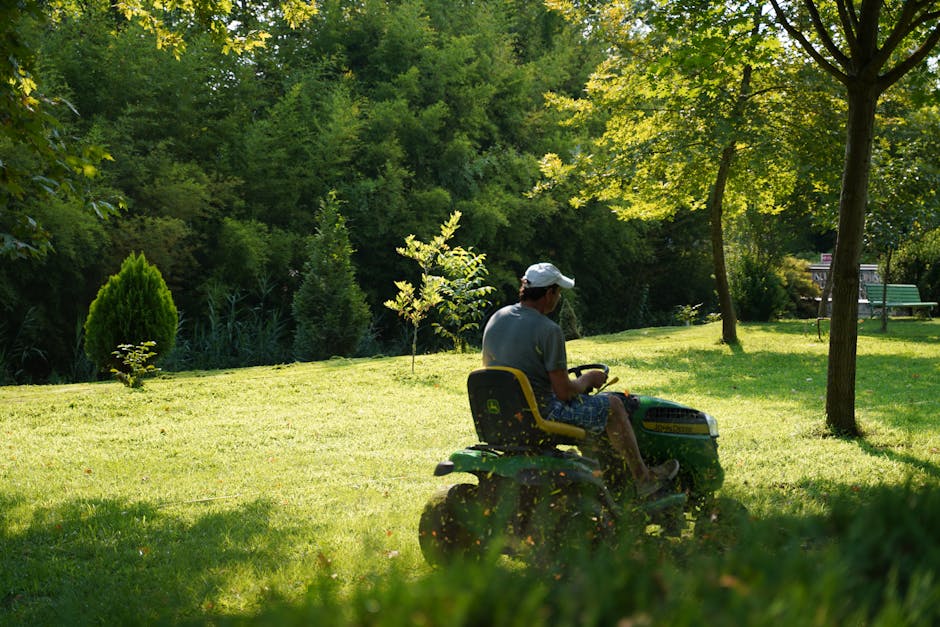
- mowers and strimmers for lawn work
- shears, secateurs, and loppers for pruning and hedge shaping
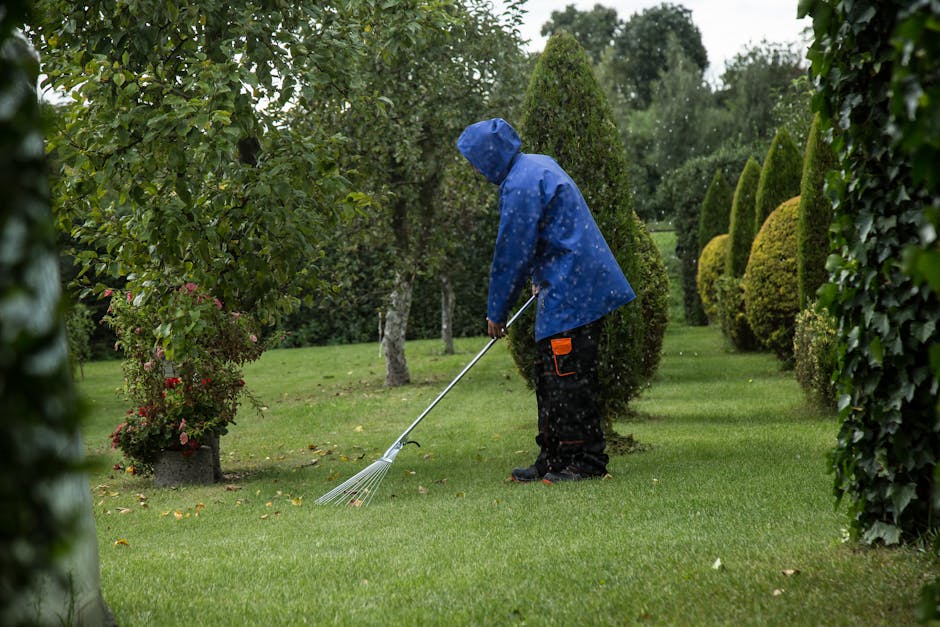
- leaf blowers or rakes for seasonal clear-ups
- pressure washing tools for patios and hard surfaces
- waste bags, tarps, and loading tools for garden debris
If you are comparing service scopes, the website's gardening services page is a helpful overview, and the dedicated tree surgery page may be relevant if the garden includes mature trees or heavy branches that affect light and maintenance time.
For trust and practical peace of mind, it is worth checking the business information pages too. The about us page can help you understand the people behind the work, while health and safety policy, insurance and safety, and payment and security add confidence if you are letting someone work around your home.
If you are still in comparison mode, you can also look at making an enquiry here once you know what kind of support you need. A proper conversation usually gives you a far clearer answer than guesswork ever will.
Law, compliance, standards and best practice
Garden maintenance is not usually heavy on formal regulation in the way some trades are, but there are still sensible standards to expect. Responsible gardeners should work safely, handle waste properly, and avoid causing damage to property, plants, or shared access areas.
Best practice normally includes:
- clear communication about scope and exclusions
- careful handling of tools and machinery
- safe working around steps, wet surfaces, and uneven ground
- appropriate disposal of green waste where agreed
- respect for neighbours, boundaries, and access routes
If any pruning or cutting may affect nesting birds or protected wildlife, caution matters. That is a broad UK best-practice point rather than a blanket rule for every garden, but it is worth mentioning because responsible maintenance is not just about making things look neat. It is about doing the job carefully.
You should also expect sensible terms around cancellations, payment, and complaints. Those might sound dull, but they protect both sides. Pages like terms and conditions and complaints procedure are useful because they show how a business handles expectations if something does not go quite to plan. That's the sort of detail many people skip, then wish they hadn't.
For additional reassurance, a company that explains how it treats customer data, cookies, and service standards is usually taking its responsibilities seriously. The privacy policy and cookie policy may not affect the garden itself, but they do tell you something about the business behind the quote.
Options, methods, or comparison table
Not every gardener or maintenance arrangement suits every household. Here is a simple comparison to help you think it through.
| Option | Best for | Cost feel | Pros | Watch out for |
|---|---|---|---|---|
| One-off tidy-up | Overgrown or neglected gardens | Higher upfront, then done | Quick reset, visible impact | Can be more expensive than regular upkeep |
| Regular maintenance | Most homes in E4 | Predictable and manageable | Often best value over time | Needs a consistent schedule |
| Task-based visit | Specific jobs like mowing or hedging | Usually straightforward | Good for targeted work | May not solve broader issues |
| Full garden care plan | Busy gardens with mixed needs | Varies by scope | Comprehensive and tidy | Can include work you do not need every visit |
There is no single "best" choice. A small front garden may only need occasional mowing and some weed control. A larger family garden may benefit from a rolling maintenance arrangement that handles everything from borders to hedges. If you have decking or paving that needs attention too, the pages for decking services and patio cleaning may also come into play.
Case study or real-world example
Imagine a typical E4 garden after a few busy months. The lawn is patchy and a little too long. The hedge has flared out at the top. A few borders have weeds growing through, and the patio has a thin green film where the shade sits. Nothing dramatic, just the kind of gradual build-up that happens when life gets in the way.
In that situation, a gardener might split the work into two parts. The first visit deals with the main reset: mowing, edging, hedge reduction, weeding, and clearing waste. The second visit, a few weeks later, is lighter and cheaper because the garden is already under control. That second step is what makes the whole thing more affordable in practice.
Now compare that with a client who waits until the hedge is blocking the path, the lawn is struggling, and the patio is slippery underfoot. The work is still fixable, of course, but the first visit takes much longer. The cost rises because the labour is heavier and the waste is greater. So the lesson is pretty simple: small, steady maintenance usually beats dramatic rescue work.
We see the same pattern with seasonal jobs too. A spring tidy sets the tone for the whole growing season. A late-autumn clear-up prevents the garden from becoming a soggy, leaf-heavy mess by December. None of this is glamorous. But it works.
Practical checklist
Before you book, run through this quick checklist. It saves time and keeps the quote process honest.
- List the exact jobs you want done
- Decide whether you need a one-off visit or regular maintenance
- Check access to the garden, bins, and water
- Ask whether waste removal is included
- Confirm whether tools and materials are supplied
- Ask what is not included in the price
- Compare at least two quotes on the same scope
- Look for clear communication and realistic timing
- Think about seasonal needs, not just the current mess
- Keep a note of what worked well after the first visit
If you are trimming costs, focus on the tasks that improve the whole garden first. A neat lawn and clean edges can transform the feel of a space surprisingly quickly. Little wins add up. They really do.
Conclusion
Affordable gardeners in E4 are not hard to find, but good value takes a little judgment. The real question is not just "how much does garden maintenance cost?" It is "what does my garden actually need, how often, and what is the fairest way to pay for it?" Once you look at the job in those terms, the numbers make much more sense.
For many households, the most cost-effective approach is a regular maintenance plan that keeps the garden tidy before problems build up. For others, a one-off reset followed by lighter visits is the better route. Either way, clarity matters. Know the scope, ask what is included, and choose a gardener who explains things plainly. That alone can save you a surprising amount of money and hassle.
Get a free quote today and see how much you can save.
Frequently Asked Questions
How much does garden maintenance usually cost in E4?
It varies depending on garden size, condition, access, and the type of work needed. A small tidy-up is usually cheaper than a full recovery job. The best way to get an accurate figure is to describe the garden clearly and ask for a quote based on the actual tasks.
What is included in garden maintenance?
Garden maintenance commonly includes mowing, edging, weeding, hedge trimming, pruning, leaf clearance, and general tidying. Some visits also include patio sweeping or waste removal. Always check what is included before agreeing a price.
Is regular maintenance cheaper than one-off gardening?
Usually, yes. Regular maintenance often prevents the garden from becoming overgrown, which keeps each visit smaller and more manageable. One-off work can cost more if the garden needs a big reset first.
Why do quotes for the same garden look so different?
One gardener may include waste removal, tools, and more detailed work, while another may only be quoting labour. The difference is often in the scope, not just the price. That is why comparison only works when you are comparing the same job.
Should I choose the cheapest gardener?
Not automatically. Cheap can be good value, but it can also mean limited scope or extra charges later. Look for a fair price, clear communication, and a quote that makes sense for the work involved.
How often should a garden in E4 be maintained?
That depends on how quickly it grows and how much you use it. Some gardens only need monthly help, while others benefit from fortnightly visits in the growing season. Lawns and hedges usually need more attention in spring and summer.
Do gardeners remove the waste after the job?
Sometimes yes, sometimes no. It depends on the service and the agreement. If waste removal matters to you, make sure you ask up front because it can affect the final cost.
Can I book just one job, like lawn mowing or hedge trimming?
Yes, many gardeners can handle single tasks. That can be a sensible way to manage cost if you only need help with one area. For broader upkeep, a regular garden maintenance visit may offer better value.
What should I ask before hiring an affordable gardener?
Ask what the quote includes, whether equipment is provided, if waste removal is covered, how long the job should take, and whether there are any extra charges. Simple questions. Very useful ones.
How can I keep garden maintenance costs down?
Keep access clear, book work before the garden becomes badly overgrown, prioritise the main tasks, and consider regular visits rather than occasional rescue jobs. Low-maintenance planting can also reduce the amount of work needed over time.
Are hedge trimming and patio cleaning separate from general maintenance?
Often they are, depending on the gardener and the scope of work. Some maintenance plans include them, while others treat them as separate services. If you want those jobs done, make sure they are specifically included in the quote.
How do I get a proper quote without guessing?
Take a few notes about the garden, mention the size and condition, list the tasks, and ask for a written quote or clear verbal breakdown. If you want to move quickly, you can also contact the team through the website and explain what needs doing in plain terms.